

Dr. Carolina Adler of the Mountain Research Initiative once said, “Glaciers don’t care if we believe in science – they just melt in the heat.” They also don’t care if we’re focused on American economic threats.
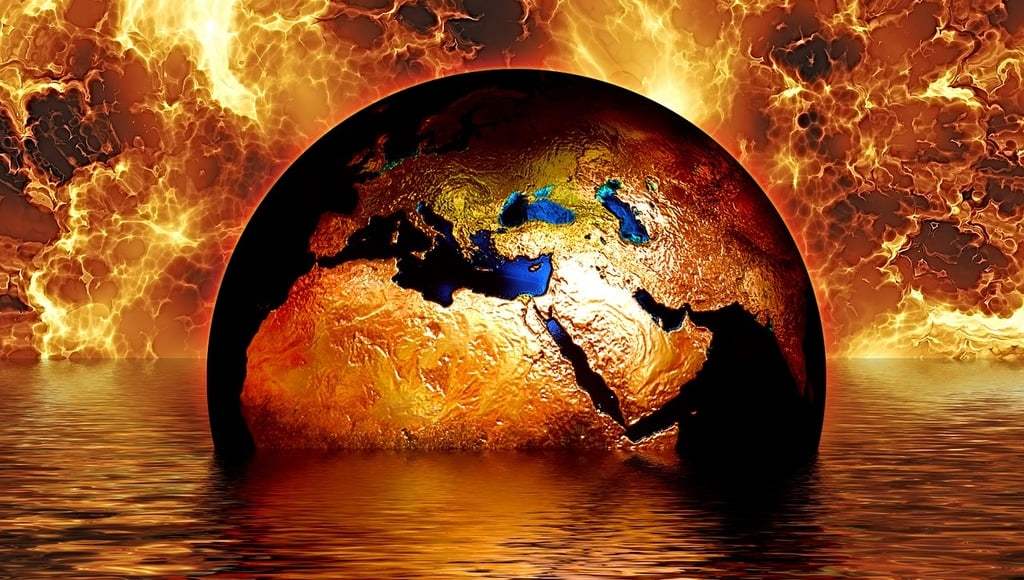
The effects of climate change are becoming more prominent, especially as summer approaches. From bananas threatened with extinction to melting glaciers and wildfires, the environmental crisis is ever-present in our world. However, our country’s political focus doesn’t seem to reflect the urgency of the climate situation.
Remember those bananas I mentioned? The world is at risk of losing them. (Whether or not we’re going bananas, well, that’s up to you). According to the Guardian, over half of the land used to grow this popular fruit will be unusable for this purpose by 2080. The study, conducted by the organisation Christian Aid, revealed that a combination of “rising temperatures, extreme weather and climate-related pests” are to blame for the agricultural difficulties facing banana plantations in the Caribbean and Latin America.
Not only are 80% of all bananas grown in these southern countries, but this also has very personal impacts for many people in Central and South America. “The lives and livelihoods of people who have done nothing to cause the climate crisis are already under threat.” says Osai Ojigho, the director of Christian Aid’s policy and campaigns.
Bananas are far from the only international climate disaster; the world’s glaciers are also under fire. Melting at extreme rates, these icy northern features are causing ocean levels to rise and putting ecosystems in danger. It became such a grave issue that the United Nations has named 2025 the International Year of Glaciers. According to their publication, glaciers also hold a large portion of the world’s fresh water, and so “their rapid loss presents an urgent environmental and humanitarian crisis.”
However, despite the slow loss of our food and water, we are a bit distracted. Of course, with the president of our neighbours to the South acting like a toddler with a tariff light switch, it’s hard not to be on edge. Nevertheless, despite the economic danger posed by President Trump, his term will only last so long. Meanwhile, climate change isn’t going anywhere and is getting worse by the day. It’s concerning to see the lack of political concentration on this detiorating issue.
That’s not to say there is a lack of concern surrounding the environment from Canadian citizens. A Weather and Property survey commissioned by First Onsite before the election “found that three quarters of Canadians (73%) are worried about being affected by climate change, extreme weather, and disasters.” However, in the election last month, economic concerns, rather than environmental ones, were at the front of voter’s minds. According to an Angus Reid Poll, the cost of living, the US, healthcare, the economy, and housing affordability were the voters top 5 priorities.
Since the election, that hasn’t changed much. Prime Minister Carney’s mandate for his first days as leader has had a very heavy trade focus, especially in the lead up to his visit with President Trump on May 6th. A recent CTV article, identifies Carney’s priorities for the beginning of his term as Canada-US relations, cost of living, national security, and immigration. The climate crisis was not listed among them.
His cabinet decisions equally reflect this focus. Among the 28 minister appointments Carney made on May 13th, many included trade and economic affairs, from the traditional Minister of Finance and National Revenue to the Minister responsible for Canada-U.S. Trade, Intergovernmental Affairs and One Canadian Economy.
So, what can we do to refocus and take action environmentally?
Climate change is caused by fossil fuels. As gases are emitted into the atmosphere, they absorb the heat radiating from the sun, and stop it from going back into space, acting like a greenhouse, hence the name greenhouse gases. Therefore, the best way to combat all these effects of the environmental crisis is to limit our use of and reliance on non-renewable energies.
On a personal level, small changes are easy to make at home. According to the NRDC, there are many actions that people can take to stop global warming. From choosing a climate-friendlier method of transportation to using renewable energy to power your home, there are many options available.
However, the “single biggest way you can make an impact” is to voice your concerns and climate-priorities, to the people in your life and especially your elected officials.
Around the country, provincial and federal governments are both pushing forward with, and hindering climate action. In the province of B.C., our Minister of the Energy and Climate Solutions, MLA Adrian Dix, recently adjusted the legislation surrounding LNG’s climate footprint, changing the wording from “net-zero by 2030” to “net-zero ready by 2030.”
Meanwhile, in the province of Ontario, the Ford government is trying to pass Bill 5, a controversial piece of legislation that aims to circumvent current climate legislation. Done in the name of “efficiency” in the wake of tariff threats, this bill will allow compagnies to bypass regulations in “special economic zones,” will fast track mining and landfill projects, and water down wildlife protection.
However, the political news isn’t all bleak. In one piece of good news, a CBC article reported that a recent audit of the government of the Northwest Territories found that they are “on track” to meet their wildlife protection goals.
All Canadians have a voice and can request accurate environmental representation from your elected officials. So, whether it’s an email to your MP, advocating for replacement legislation in the wake of the cutting of the carbon tax, or a discussion with your MLA, arguing against new harmful legislation like Bill 5, every action is important.
Anna Johnston, a lawyer with West Coast Environmental Law, sums up the situation well. “Canadians are not only threatened by tariffs,” she says. “They are also threatened by a rapidly worsening climate crisis that is costing communities millions in damages due to flooding, fires and droughts.”
It’s completely reasonable to be concerned and focused on the tariff and 51st state threats, so long as it’s not at the expense of other important issues. So, the next time we put our elbows up, let’s not forget to also defend the planet we’re standing on.
Cover Image: Pixabay
 8forty.ca
0 comments on “The world’s going (to lose it’s) bananas, and no one’s noticing ”