
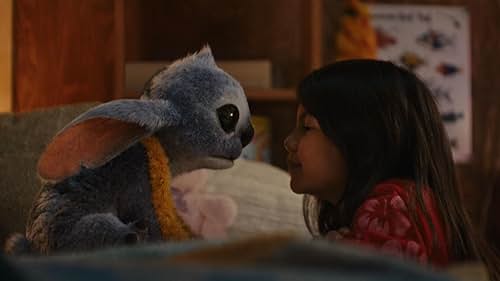

“It isn’t about blood or paperwork, but love and responsibility for the greater good and for one’s community”, says Dean Fleischer Camp, the director of the live action Lilo and Stitch remake. This statement highlights the theme of the movie, reminding us that love isn’t about perfection but rather about acceptance.
In the original 2002 animated Lilo and Stitch movie, the phrase “Ohana means family. Family means nobody gets left behind or forgotten,” became a classic representation of the film’s heartfelt message. Fast forward to the 2025 live-action remake, this iconic line reappears. But this time, it was able to carry an even deeper meaning.
The remake of this film displays the bond between the characters of Lilo and Stitch and how they went from an unexpected friendship to becoming family. This film is worth watching for both fans of the original animated classic as well as those who are watching it for the first time. It offers many heartwarming scenes and will definitely take you on an emotional journey along the way.
Although the remake does not follow the original story exactly, it still captures the meaningful moments in what made the original film special.
In both versions of Lilo and Stitch, the story begins with Stitch, a genetically engineered, blue-furred alien, crashing onto the island of Kaua’i, Hawaii, after escaping from his creator, Dr. Jumba. Mistaken for a dog, Stitch was taken to a local animal shelter. Meanwhile, Jumba and his companion Pleakley set out on a mission to recapture him.
At the shelter, a young girl named Lilo along with her older sister Nani, adopted Stitch. Nani, who’s already facing the challenges of raising Lilo alone after the tragic loss of their parents, finds her life to be even more chaotic with Stitch’s arrival. However, for Lilo who is grieving the loss of her parents, Stitch becomes a source of comfort and support.
As the story progresses, Stitch tries to avoid being caught by Jumba and Pleakley while slowly learning to care for others and understand the importance of family. Through Lilo’s strong belief in “ohana”, the Hawaiian saying for family, the story emphasizes the idea that anyone can be family as long as they share love, support and care.
Having watched a handful of Disney live action remakes in recent years, I can say that this film is notably one of the better remakes Disney has made. With many Disney remakes often struggling to maintain the story’s original concept and leaving many fans disappointed, Lilo and Stitch was able to bring out the message of the original while still introducing new scenes that can resonate with the audience.
While Lilo and Stitch have been enjoyed by many, the film has still faced some controversy over their casting choices and its ending.
Some audiences have argued that casting Sydney Agudong as Nani raises concerns about colorism and the authenticity of representing Hawaiian characters, as Agudong’s lighter skin tone contrasts with Nani’s originally darker-skinned depiction. However, I personally thought that aside from the casting controversy, Agudong did a wonderful job in playing her role. She was able to bring depth to the role and portrayed Nani’s resilience and love for her sister really well.
One downside of the film that many viewers pointed out and that I agree with was the decision to change its ending. In the original Lilo & Stitch, the story concludes with Stitch staying with Lilo and Nani, and the three of them going on to live a happy life together as a family. However, in the remake, Nani leaves for college to pursue her dream of becoming a marine biologist, ultimately giving up custody of Lilo to the state.
Although guardianship was granted to their longtime neighbor Tutu, someone they’ve known and trusted for years, this new ending still takes away the heartfelt closure that the original movie had. It took away the core message of family unity, which was what made the original ending so meaningful.
In an interview with the Daily Mail, director Dean Fleischer Camp states, “We wanted to expand the meaning of ohana, and ground it in traditional Hawaiian values of collectivism, extended family and community.” Camp explained that the new ending was created to incorporate more Hawaiin culture into the film, especially the saying of “hanai”. It shows the community’s willingness to step in and help give support when needed.
However, on the positive side of things, Disney did a great job in incorporating authentic Hawaiian culture and traditions into Lilo & Stitch. Their idea of expanding the meaning of “ohana” for a more inclusive and community focused view is what really sets it apart from the original movie.
As an audience member, I was also very impressed in how well the actors were able to bring their character to life, especially 7-year-old Maia Kealoha who played Lilo in the movie. Despite this being her first major role, she delivered a performance filled with warmth, capturing Lilo’s spirited personality and emotions.
Disney’s live-action Lilo & Stitch wasn’t just a remake, but rather a heartfelt tribute to the original story. Whether you’re revisiting the story or experiencing it for the first time, this remake offers a touching reminder that, in the end, nobody gets left behind or forgotten.
Image Credit: Disney
 8forty.ca
0 comments on “Lilo and Stitch: Expanding the meaning of “ohana” ”