
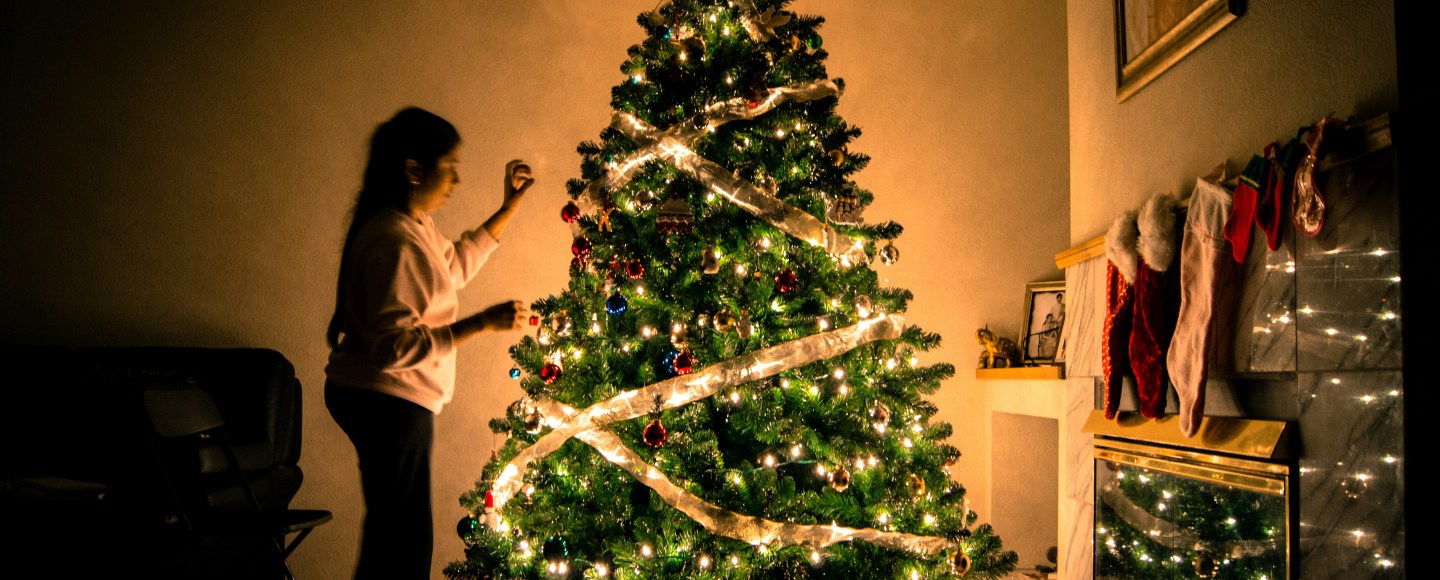

The snow start falling, the school ends, children are happy, the bells of Santa Claus start ringing, the trees are decorated, but even if everything seems to be perfect, that seemingly magical Christmas tree has a hidden side: environmental consequences for the planet.
Christmas trees bring joy all over the world, but they also have environmental consequences on the planet. Which tree is the least damaging, natural or artificial one?
Even if it usually not the first thing people tend to think about, when buying a Christmas tree, they do have a negative and significant impact on the climate. Since more than 150 countries recognize the festivity nationally, millions of Christmas trees are bought every year, all over the world. Naturally grown trees are commonly not associated with any sort of damage done to the environment, but even if that is the usual assumption, it clearly is not all that true.
Let’s start from the beginning.
In the US, 35-40 million real trees are purchased, opposed to that, the number of artificial trees that is purchased annually is 15 to 20 million. The difference is clear: more naturally grown Christmas trees are purchased. But that does not mean that artificial trees are unpopular—after all, you don’t have to but a new artificial tree every year, that’s the point!
But which choice is a better one for those of us who are concerned about the environment, sustainability and waste?
Though it seems like natural trees are more sustainable, it isn’t always that simple.
Certainly, natural Christmas trees have a lot of advantages: they store carbon and release oxygen, and they can be recycled and decomposed. That is all more ecofriendly than artificially-made trees.
One of the most problematic factors when it comes to natural trees are the pesticides used, as well as emissions from transporting them. And these problems repeat every single year.
On the other hand, artificial trees are made with polluting materials. Mainly they consist of polyvinyl chloride (PVC) or polyethylene (PE) plastic for the branches and needles, and a metal core for the trunk and internal structure. Those materials cannot decompose so they wind up filling landfills and contributing to plastic pollution throughout the world.
One of the main advantages of artificial trees is that they are reusable, but that benefit is highly dependent on how long the artificial tree actually lasts. It would take almost 20 years of use to try to offset their carbon footprint, which is unrealistic. 10 million artificial trees are thrown away every year. Our consumerist impulses lead us to change Christmas decorations regularly regardless of the actual quality or enjoyability of them.
Researchers tend to find that natural trees are more sustainable, even if artificial trees are reusable.
Both the trees are damaging the planet though, and for sure people will never stop buying Christmas trees, so, how can we minimize their impact?
Some of the possible solutions for artificial trees could be using second-hand trees, using recycled materials, and to make them last as many years as possible.
When it comes to natural ones, the best possible option is to go to a local farm to reduce transportation emissions, and to inquire about the farm’s use of pesticides, and to recycle of dispose of it properly at the end of the season.
There is another factor that we must consider: the wasting of energy caused by the Christmas lights. That’s something that includes both artificial and natural Christmas trees. Christmas lights can waste energy and contribute to plastic pollution. Your outdoor lights might also disrupt wildlife with light pollution.
Some cities are starting to act to solve this problem, for example the Christmas tree in Rome’s Piazza Venezia has been solar-powered since 2022. And in Vilnius, the capital of Lithuania, the 9-meter Christmas tree is made with recycled materials.
These initiatives show that reducing the impact of Christmas lights on the climate is possible, as well as it is for trees, with a little bit of effort reduce the impact is possible.
Christmas, as well as all the other holidays, is always going to cause environmental problems, but there are always going to be some choices that people can make to make Christmas more sustainable.
Cover image: Unsplash
 8forty.ca
0 comments on “The Hidden Side of Christmas trees ”