
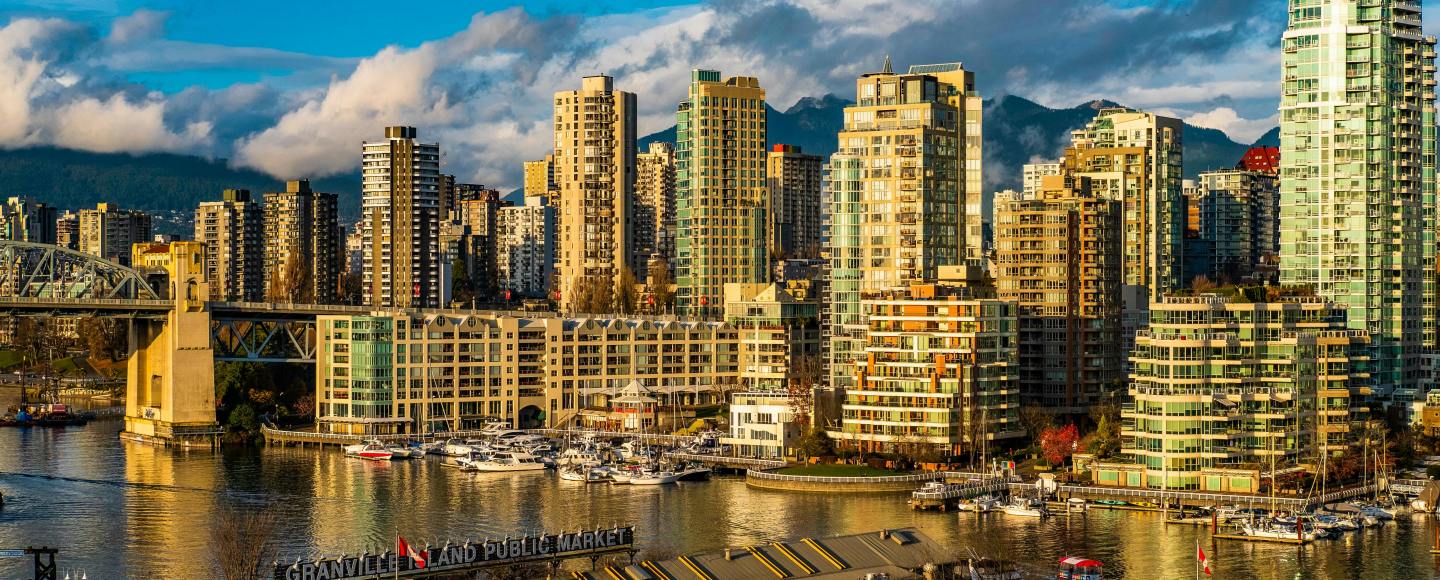

On a crisp Vancouver morning, downtown’s countless glass towers shine faintly against the overcast sky. Traffic whirs below, but high above the roads, numerous condo windows remain unlit.
Entire floors stay dark long after the city has woken up. A skyline once seen as a symbol of prosperity and investment, now stands as a clear sign of a declining real estate market.
For decades, Vancouver condos have provided a substantial portion of the city’s housing stock, meeting high demand from residents and investors.
But that era has abruptly came to a halt.
Investors who once treated condos like a guaranteed jackpot are now slamming the brakes. Long-term investor Kevin Park, who bought several condos over the past decade told 8forty, “There is too much supply and not enough demand. It will be years before I purchase another condo again, the return is simply not there.”
After nearly a decade of rapid price growth, the market has finally reached a tipping point. Since the market has continued to rise for too long, buyers are pausing and high-end property prices have dropped dramatically. The average condo price has dipped about 4.4% over the past year, with some luxury units losing around $200,000–$300,000 CAD since their peak.
Theda Nguyen, a real estate agent with Oakwyn Realty, witnessed the shift firsthand. “It’s definitely a buyers’ market,” she said. “Interest rates and stricter mortgage qualification have reduced buying power, so purchasers are taking more time to make decisions. We’re also seeing more incentives from developers, which wasn’t as common during the hot market.”
Developers who used to sell units within weeks are now including perks that would have been unimaginable in the golden era of the market. Bonus’ like free parking, improved appliances, reduced deposits and even cash-back offers are now common to see.
Years of aggressive development has resulted in thousands of pre-sale condo units built from 2018-2021 completing at once, generating a large accumulation that hasn’t been seen since the mid 2000’s. As a consequence, most projects are delaying launches or even returning deposits because sales targets have not been reached. About 2,500 condos are currently unsold and sitting empty across Metro Vancouver, with that number expected to rise to roughly 3,400 by the end of the year.
The slowdown extends beyond developers as well.
Construction sites that used to sound like an endless orchestra of drills and hammers are suddenly going quiet. With new projects being delayed, crews are finding themselves with fewer shifts and in many cases, no shifts at all.
This isn’t just happening to specific job sites either. According to the Missing Middle Initiative, an astounding 20,000 person-year decline in employment is predicted as a result of the reduction in new home sales.
Government policies have been unfavorable to the market as well. A punitive 20% BC Foreign Buyers Tax and a 2% annual Speculation and Vacancy Tax have curbed speculation. In other words, trying to push out people who buy homes just to flip them for profit.
On top of that, immigration slowdowns have taken away one of the markets most reliable sources of support. Vancouver relies on a consistent flow of foreigners to keep the demand high. However stricter immigration rules have slowed demand down as per RBC , meaning there are fewer potential buyers entering the market and even less support for prices.
For investors, it feels like death by a thousand cuts: stricter reporting requirements, more taxes and higher costs. The message is clear; the government doesn’t want easy money in the real estate anymore.
This isn’t a sudden crash like the 2008 U.S. Mortgage Crisis. It’s a slow, grueling correction. People can buy, but after long years of peak prices and constant urgency, many are now choosing to wait.
For a few residents, the correction offers opportunities. After years of sky-high prices, first-time buyers finally see a path moving forward.
Recent university graduate Athan Nguy said, “I might be able to buy my own property sooner because of what’s happening. I’m happy I might finally be able to live by myself rather than living with my parents forever.”
For young buyers like Athan, the regressing market has shifted the balance of power. With more condos sitting empty, purchasers have more time to negotiate cheaper prices, request certain demands, and walk away from deals that aren’t worth their time. Lower competition has also reduced the pressure to bid above the asking price. Combined with developer incentives and modest price declines, the condo market is offering first-time buyers’ opportunities that seemed almost impossible a few years ago.
Still, relief comes at a broader cost. For what benefits buyers also highlights a deeper slowdown in Vancouver’s real estate engine—one that has long fueled investment, construction and financial growth. The darkened condo windows and the thousands of delayed projects scattered across the region signal more than just a correction. They reflect a city adjusting to a new economic reality where the condo market is no longer sustainable.
Cover Image: Image taken by Alex Agrico on Pexels
 8forty.ca
0 comments on “Vancouver’s condo boom is officially over ”