
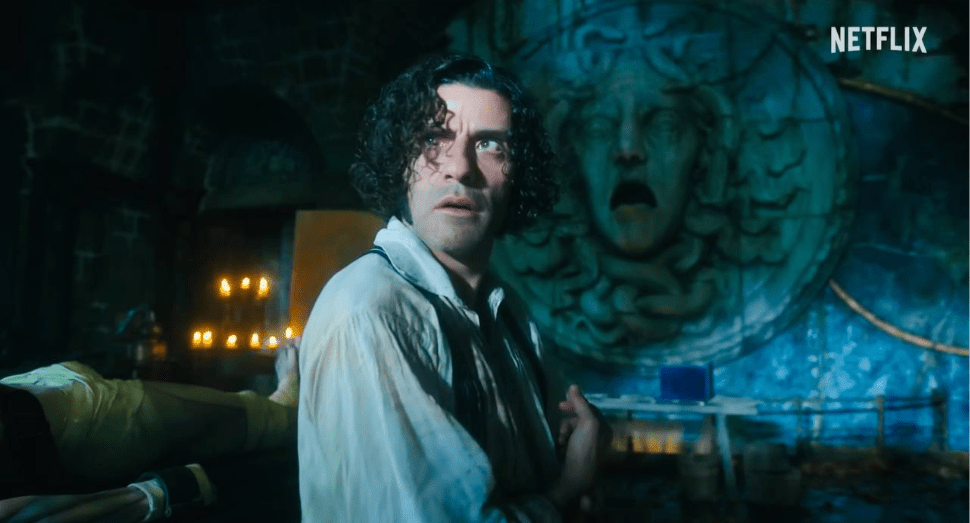

From the first moments, the film feels heavy in a way that’s hard to ignore. There’s a quiet sadness in Victor’s world that makes every choice he makes feel even more intense. It becomes clear early on that his attempt to create life isn’t coming from confidence, but from pain and that this decision is going to follow him in ways he doesn’t expect.
Director Guillermo del Toro uses this heavy emotional movie to show the deeper meaning behind Victor’s decision to create life. Instead of focusing only on the horror, the film shows the loneliness, guilt, and responsibility that come with trying to control something far bigger than yourself.
The powerful acting and a dark, haunting atmosphere make the story feel much more human, turning it into more than just a classic monster tale, It becomes a reminder of how attempting to play God can affect someone’s entire life, and how the weight of that decision follows Victor long after the moment he brings his creation to life.
Guillermo del Toro’s Frankenstein feels personal because it is completely shaped by his own personal experiences and emotions, especially feelings like loneliness, misunderstood, and feeling like an outsider, according to a Buzzfeed interview with Del Toro.
So this connection makes the film feel less about monsters and horror and more about humans. It feels like he’s telling a story that matters to him, not just remaking a classic. The way the film slows down and focuses on characters’ motions makes it clear that this isn’t meant to scare you, but to make you feel something deeper.
What really stands out about the film is its striking atmosphere and how it makes you feel from the beginning. Del Toro uses this fantastic atmosphere to shape the viewer’s experience and make you feel what Victor and other characters are feeling. The dark colours, the quiet spaces and moments, and the slow way the camera moves all create a heavy mood around Victor. Even when nothing dramatic is happening, everything feels tight and uncomfortable, like the world around him is slowly closing in, showing the pressure he carries inside because of his father and the way he was not loved as a child. Even simple scenes, such as him working alone or walking through dim hallways, feel meaningful because of how carefully the film builds its mood.
The performances in the film add even more emotional sense to the story. Oscar Isaac plays Victor in a way that feels tired and overwhelmed, like someone who’s carrying more than he can handle. Even the small looks on his face show how much pressure he’s under. He shows his fear and guilt through small expressions. He’s exhausted both mentally and emotionally, like a man who hasn’t slept for a long time. Someone, who has strong regret about what he has just done by making that monster and ruined his own life.
Jacob Elordi, as the creature, also gives a perfect performance. the way he moves and reacts to the unfamiliar world makes you feel for him right away. He is like a newborn baby, who needs to learn and discover new things. You can sense his confusion and loneliness. There’s a sadness in his presence that makes you see him as more than just something created in a lab. Even without many words, his body language shows a mix of curiosity and hurt that stays with you.
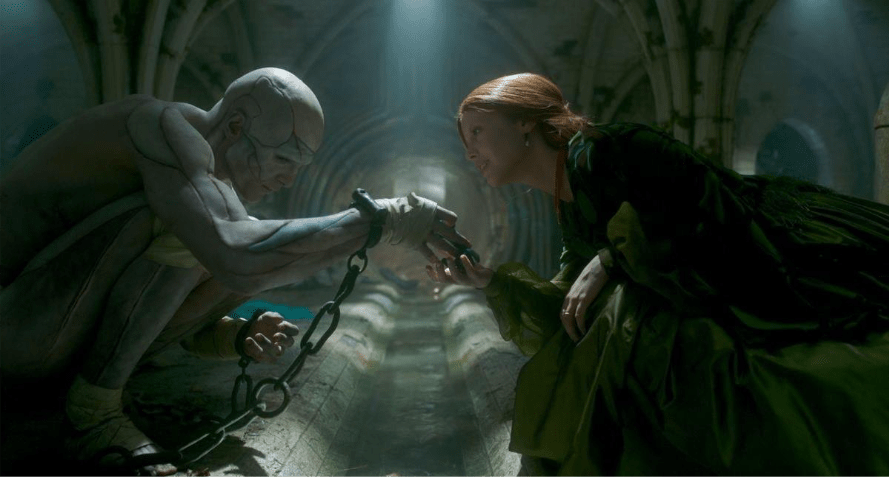
Mia Goth adds a different kind of feeling to the movie. She plays Victor mother at the beginning of the movie and later appears as a second character, his love interest. There’s something warm and gentle about the way she plays her characters that reduces the darker parts of the story and make it softer, even when quiet, the way she looks at people and reacts make the world around her feel less cold. She brings a sense of care and honesty that helps the audience understand why some parts of Victor’s life still matter.
Together, the actors make the story feel personal and human, like you’re watching people who are trying to figure out their emotions, not just characters in a horror movie.
The costuming contributes as well. Mia Goth’s soft dresses and natural appearance make her character feel warm and genuine. She brings a calm presence to the story, and the way she looks and moves fits perfectly with the film’s emotional tone.
What makes this film special is how it focuses on the space between moments, not just big scenes. Del Toro allows the story to move slowly, giving the audience time to notice small details let them feel everything completely. A look, a pause, the way a character reacts when no one else is watching. These quiet choices make the film feel honest and personal, like it’s inviting viewer into Victor’s world instead of just showing a dramatic story on screen.
One of the most powerful things about the film is how it stays with you after it’s over. Even without big shocks or loud moments, you start to feel the loneliness of the characters, the weight of their choices, and the sadness that follows them. It’s the kind of movie that makes you think about what it means to create something, and how responsibility can change your world.
In the end, what makes the film so memorable isn’t the darkness or the horror, but the way it quietly follows you after it’s over. It leaves you thinking about its characters long after the screen goes black and that’s when you realize just how deeply the film has just done its job.
Cover Image: Netflix
 8forty.ca
0 comments on “Frankenstein Review: A Powerful Reminder of the Cost of playing God. ”