
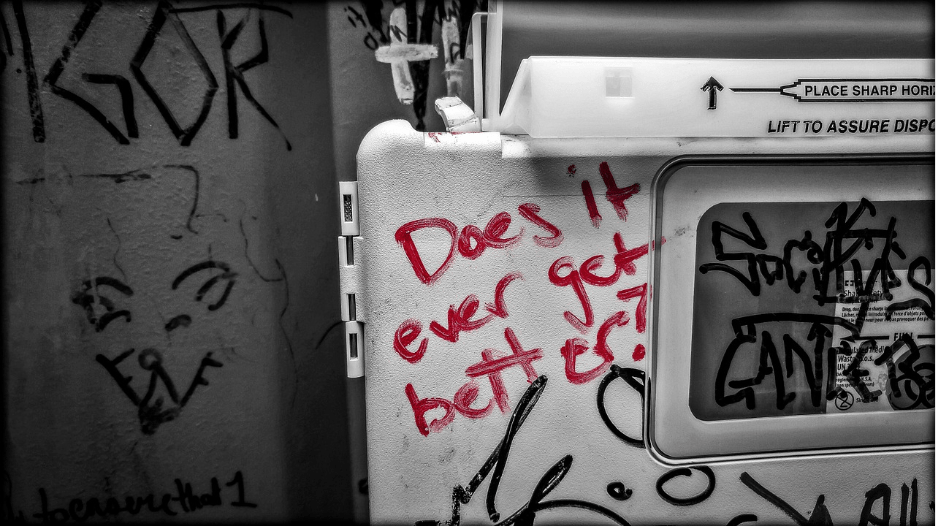

Vancouver is one of the most scenic cities on earth, with snow-tipped mountains rising over the harbor, oceanside parks perfect for night strolls and streets filled with life. But beneath this picture-perfect surface is a crisis that shatters this image. In British Columbia, toxic drugs now kill more people each year than car crashes, homicides and suicides combined, with fentanyl present in a majority of the deaths.
The Downtown Eastside, home to Vancouver’s most vulnerable citizens, is now in the center of a health crisis more severe than years past. Unregulated fentanyl and its counterparts have turned daily drug use into a gamble of life or death.
Mykah Ada, a weekly volunteer at Downtown Eastside Connections Clinic, sums up the recent environment: “Lately I’ve been seeing more people collapse right in front of us, sometimes even multiple times a day. Over the last couple months, the number of overdoses we have been responding to has gotten even worse. It feels never ending.”
The numbers don’t lie, the BC Coroners Service reports that fentanyl was detected in about 82% of toxic drug deaths in the past year, with roughly six people dying each day from unregulated drugs.
The crisis isn’t just about drugs. It’s also the world surrounding them. Poverty. Unstable housing. Untreated mental health issues. Disaster is everywhere, in the alleys, in shared housing and in lives shaped by despair.
Experts suspect that the current danger remains unknown to users.
“Supply is unregulated and unpredictable. We don’t know how it’s manufactured. And more recently, producers are mixing fentanyl with other drugs making it even more deadly,” said Jacqueline Lum, a Nurse Practitioner for the Fraser Health Urgent Care Centre. “From the overall healthcare system perspective, we’re feeling very overwhelmed and burned out. We don’t have enough resources.”
This unpredictability is exactly what Lum has warned about.
Every dose carries unknown risks. In 2024, drug-checking programs found fentanyl consistently combined with other stimulants like cocaine or methamphetamine, creating a lethal mix that the human body can’t tolerate. Polysubstance, where multiple drugs are present, now account for a huge share of toxic drug deaths in British Columbia, reflecting how the unregulated supply has become more complex.
Meanwhile, emergency health services across the province report that overdose-related calls have remained at historically high levels, with BCHES paramedics responding to 40,543 overdose and poisoning calls in 2024 alone, averaging 111 calls a day. Resources are stretched thin, forcing healthcare providers to react to emergencies more often than they can offer long-term care which leaves users stranded in dangerous environments.
The strain doesn’t stop at healthcare services. Support systems exist, but they’re impractical for long-term sustainability. For years, healthcare, social services, law enforcement and outreach systems have been operating, but never in harmony. People at risk are still slipping through the cracks.
Sergeant Alex Ng, of the Vancouver Police Department, described the reality. “From a police perspective, the toxic drug supply in the Lower Mainland is widespread, entrenched, and extremely lethal. Fentanyl and other synthetic opioids mixed with unpredictable substances are readily available across communities in B.C., not confined to a specific neighborhood,” he said.
These comments reflect a drug supply chain that has become increasingly complex, both domestically and internationally. For years, much of Canada’s fentanyl supply originated from China, but after the Chinese government tightened rules in 2019, the flow of large-scale loads of finished fentanyl slowed heavily per BCRHN. Organized criminal groups in B.C. have now adapted, taking production into their own hands, where small, mobile labs manufacture fentanyl on demand. This domestic production reduces the risk of detection and allows traffickers to quickly meet increasing demand, flooding communities with more lethal supply.
From a policing perspective, this shift has changed strategies dramatically. The police once had clear targets such as ports, highways, and major trafficking networks, when fentanyl was imported. Domestic production has erased those checkpoints, forcing officers into a more reactive role as they respond to overdoses while trying to locate mobile labs hidden in homes.
With drug supply growing more lethal, can the crisis improve?
Law enforcement agencies across British Columbia have improved crackdowns to tackle the crisis. The VPD is working in collaboration with RCMP and Combined Forces Special Enforcement Unit of BC to target organized crime groups that manufacture and distribute the supply. These efforts focus on dismantling production sites, intercepting large quantities of drugs and disrupting networks that allow drug trade.
A notable example is “Project Toluene,” launched by the VPD in January 2023 to investigate an organized group producing fentanyl and other drugs in residential areas. Over the course of the investigation, officers dismantled a clandestine lab in Richmond and executed warrants that resulted in one of the largest seizures in recent local history. In total, the police confiscated approximately 27.7 kilograms of fentanyl with a street value of $7.8 million Cdn, as well as $365,000 in cash, per the VPD.
Officers are also participating in outreach programs, drug education campaigns, and collaborations with frontline volunteers to prevent overdoses before they happen, Ng told 8forty.
With unregulated drug supply growing more fatal and frontline systems reaching their tipping point, progress is not measured in a solution, but lives saved.
“Despite it looking like there’s no end in sight, lives are still being saved” Ng says.
Cover Image: Photo taken by JamesRonin on Pixabay
 8forty.ca
0 comments on “Inside Vancouver’s Downtown Eastside struggle”