

When lawmakers debated New York’s Medical Aid in Dying (MAID) law, stories from patients, families, and doctors filled the room. Some describing relief at having a choice, while others warned it could place pressure on those already at risk.
In a historic shift in public policy, New York is set to legalize the new MAID law, which is also referred to by supporters as the “right to die” law.
The New York MAID law would allow terminally ill adults who meet specific eligibility requirements to request and receive a prescription for life-ending medication, which they must self-administer to bring about a peaceful death.
New York’s MAID law has sparked intense debate, as supporters emphasize personal autonomy at the end of life while critics raise ethical concerns about how the legislation could affect vulnerable patients.
The bill has now passed both of New York Legislature and is expected to be signed by Governor Kathy Hochul in early 2026, with the law most likely beginning to take effect about six months after being signed.
Although New York is not the first state to approve and introduce this law. The first U.S. law that authorized in physician-assisted suicide was in Oregon and is known as the Death with Dignity Act (DWDA). States like Washington, Vermont, California, and others adopted similar legislation, essentially using the DWDA as a blueprint to create a new and improved version of the law.
Under the proposed law, patients requesting this medication must be 18 years or older, residents of New York State, and mentally capable of making informed healthcare decisions. They must also have a terminal diagnosis with a prognosis of 6 months or fewer to live. This prognosis must be confirmed through evaluations and signoffs from three separate physicians. In addition, patients are required to submit both oral and written requests for the medication, with witnesses present to ensure the request is made voluntarily and without coercion. Additional safeguards, including mandatory waiting periods, are built into the law to prevent abuse or forced decision-making.
Supporters of the law, including disability rights groups like the New York Civil Liberties Union, argue that it gives dignity and autonomy to individuals facing incurable and painful illnesses, allowing them to avoid suffering at the end of life.
Critics of the MAID law, including several religious leaders and faith-based organizations, argue that the legislation raises serious ethical and moral concerns. Many believe the law changes the conflicts with the sanctity of life. From religious perspectives, allowing medical professionals to assist in ending a life is seen as crossing a moral boundary and undermining long-standing religious teachings.
Advocates also worry that legalizing MAID could subtly influence terminally ill patients to feel like a burden on families or society, creating emotional pressure to choose death instead of continuing with treatment or care.
Disability advocates have expressed strong concerns about how the law could affect people with chronic illnesses or disabilities. They argue that individuals who have unequal access or are unable to afford quality healthcare, long-term home support, mental health services, and such may leave some individuals feeling they have no meaningful options other than ending their lives.
Critics fear that, instead of being a true choice, MAID could become a response to systemic failures in healthcare, particularly for marginalized communities.
These advocates emphasize that improving medical care, social support, and accessibility should be the priority, warning that without these safeguards, the law could unintentionally place vulnerable individuals at greater risk.
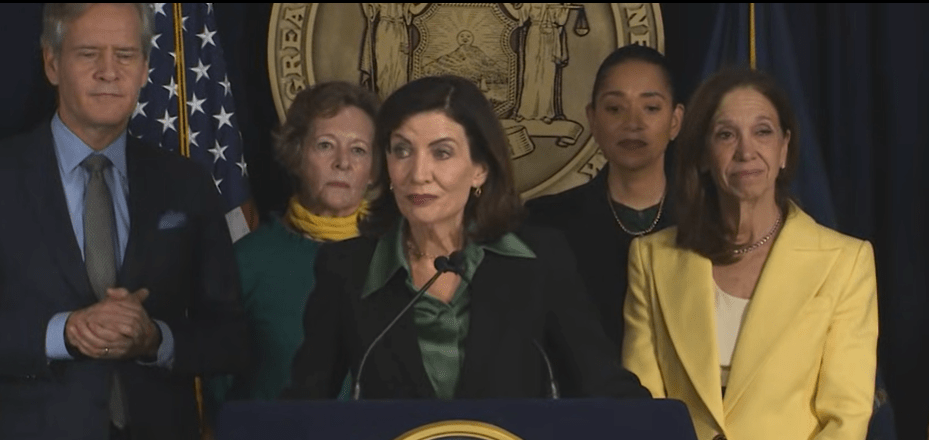
Cover Image: Governor Hochul Reaches Agreement with State Legislature to Pass Medical Aid in Dying Act
 8forty.ca
0 comments on “New York’s right-to-die law raises questions about choice and ethics. ”