

As the conflict between, Iran, Israel, and the US continues, Kurdish people in Iran are affected in many ways. Rising prices, limited communication, and concerns about safety have made everyday life more difficult.
Kurdistan is a nation in the Middle East spreading over an area that covers parts of Iran, Iraq, Syria, Turkey, and a tiny bit of Armenia. According to CNN, the Kurdish population is estimated to be somewhere between 25 to 45 million.
The actual population is uncertain due to the nations hiding their identities.
For many people around the world, news about people in the Middle East often focuses on governments, military actions, and politics. But, behind the headlines are millions of ordinary people whose daily lives are affected by these events. One group facing the consequences are the Kurdish people in Iranian Kurdistan.
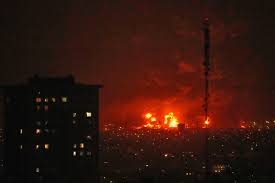
Many military bases have been hit in Iran, including some in the Kurdish region. Some houses in the cities of Kurdistan close to military bases have been damaged.
Iran, Israel, and the United States continue to affect the region. Kurdish communities in Iran have experienced economic issues, and no access to internet. While the conflict has attracted international attention for its political and military developments, it has affected on everyday Kurdish people is often unseen.
One of the most noticeable effects of the conflict has been its effect on the economy. Economic issues can affect every part of daily life. When conflict creates doubt, prices increase, businesses struggle, and families find it harder to afford necessities. One Kurdish families in Iran who spoke to 8forty for the purpose of this article say that the rising cost of living has become a major concern.
Food, transportation, and household supplies have become more expensive during the recent conflict. Inflation has already been a challenge in Iran for years, but ongoing tensions have made the situation even more difficult for many people. The family who spoke to 8forty reported that they know of others who were already struggling financially who now have to spend more of their income on basic necessities.
Currently the Iranian dollar is worthless in international markets. Domestically inflation has been severe. The family says that the amount is costs today to buy a car would have been enough to buy house four years ago.
Schools have remained closed in Iran ever since the air strikes that had hit a school and now some students are being asked to return to school to sit for exams, according to the family that spoke to 8forty.
There are many difficulties in the region today: internet access is making it harder to stay connected with loved ones and access information from outside the country; the loss of digital tools also impacts many people’s work and education; the possibility of military activity nearby creates stress and parents may be concerned about the safety of their children.
To better understand why these events, matter, it’s important to understand the history of the Kurdish people. For more than a century, many Kurds have hoped for greater recognition of their identity and culture. Following the collapse of the Ottoman Empire after World War I, discussions took place about creating a Kurdish state. However, those plans were never fully realized, and Kurdish populations remained divided among several countries.
The story of the Kurdish people during this conflict is not only about politics or military events. It is also about families trying to keep normal lives during a time of uncertainty. Their experiences show how major international conflicts can affect ordinary people in ways that are often overlooked.
Image credit: This picture was taken by a civilian
 8forty.ca
0 comments on “Iran conflict leaves Kurdish regions caught between regional powers”